Rajasthani folk dance dress for girls is one of the most colourful and graceful traditional outfits in India. The bright colours and vibrant lehenga of the Rajasthani folk dance dress show the rich culture and heritage of the State of Rajasthan. Whether you wear Ghoomar, Kalbeliya or Terah Taali there is a unique style of lehenga to make your performance lively and full of energy.
The combination of the bright colours, the twirling lehenga, and the traditional jewellery create an overall regal look that young girls enjoy wearing. These dresses are commonly worn for annual school functions, cultural events, fancy dress competitions, and during festivals.
In this blog you’ll learn about types of Rajasthani girl’s dance dresses and their various features, how to style them, and where to purchase high-quality lehenga sets for daughters. By the end of this blog you should have the ability to select the correct dance outfit for your daughter that truly encapsulates the spirit of Rajasthan.
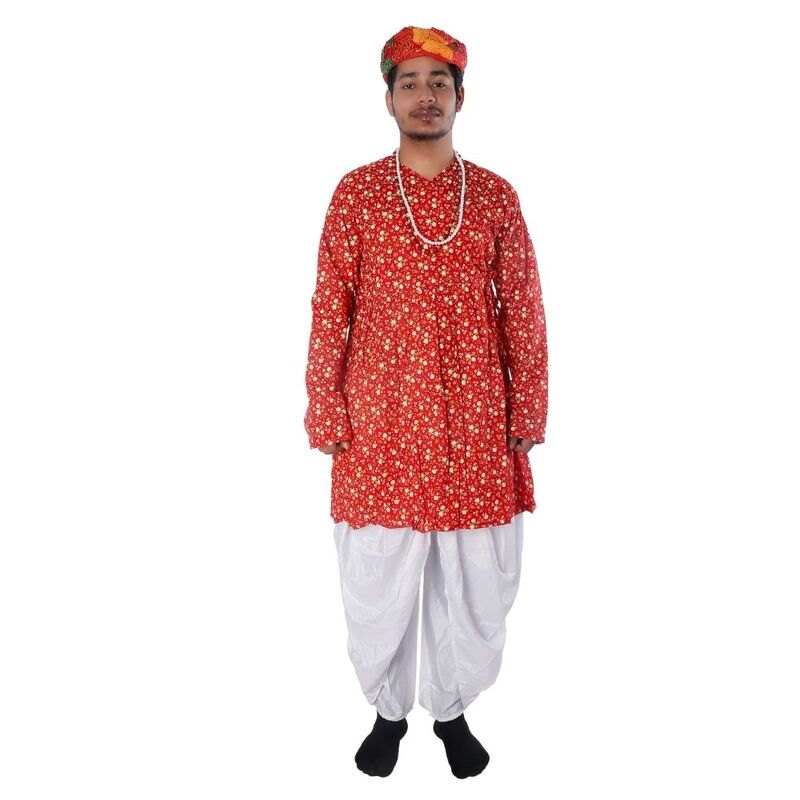
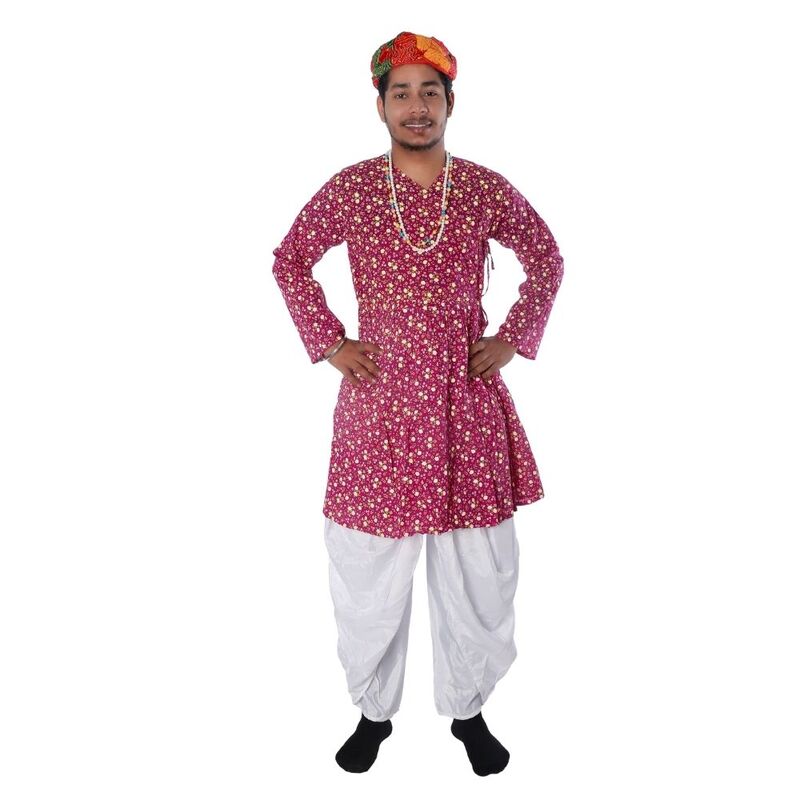
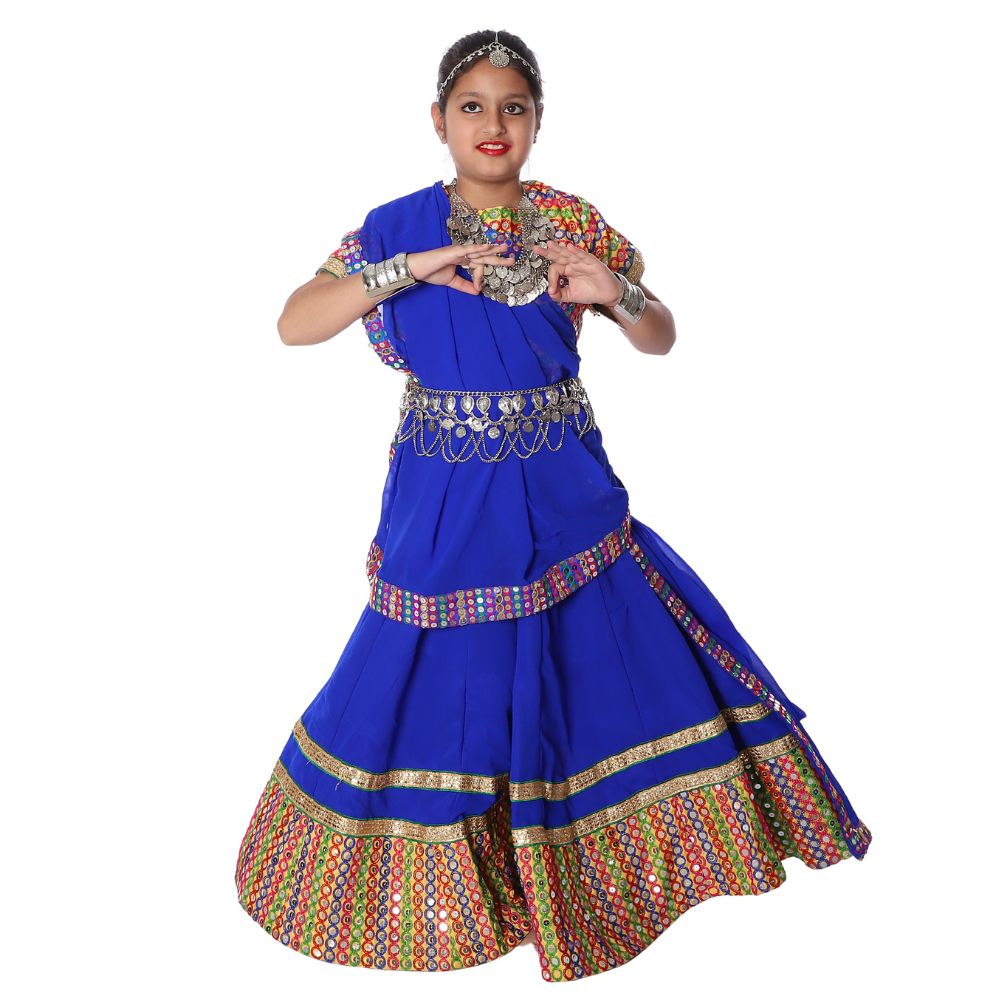
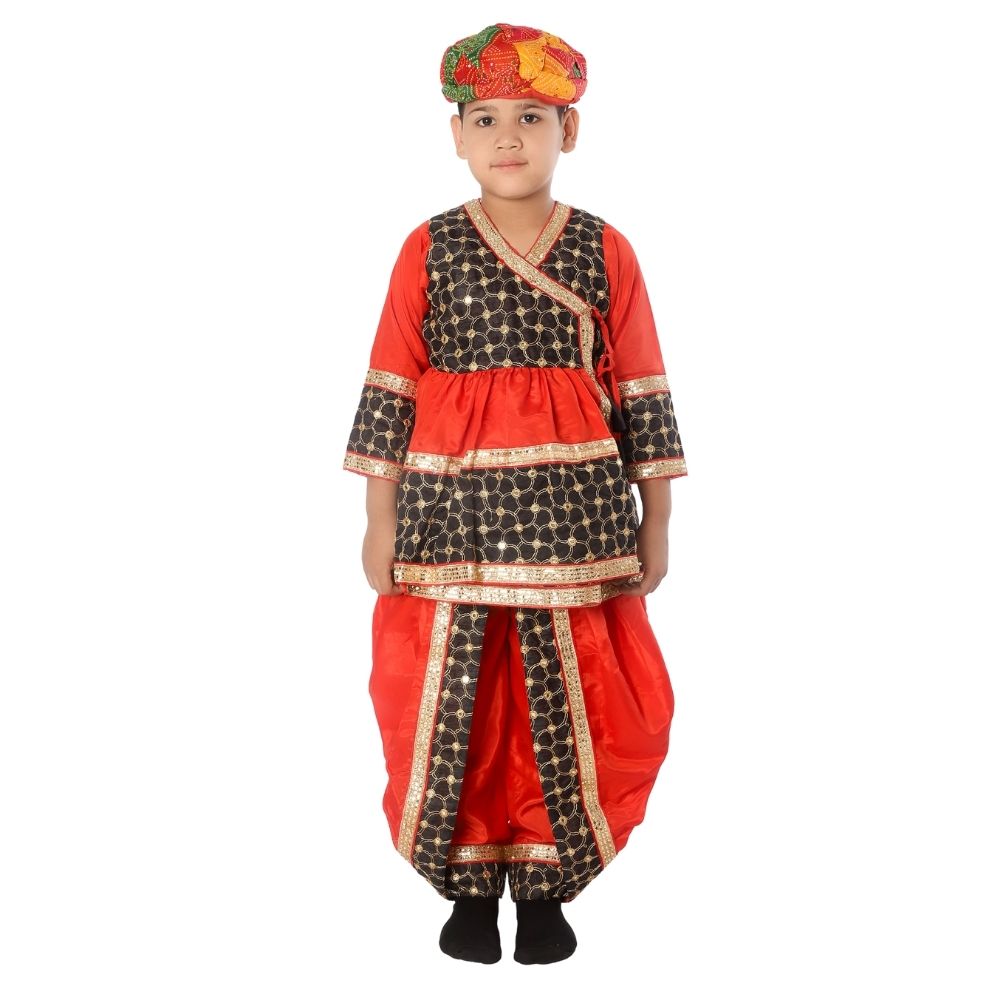
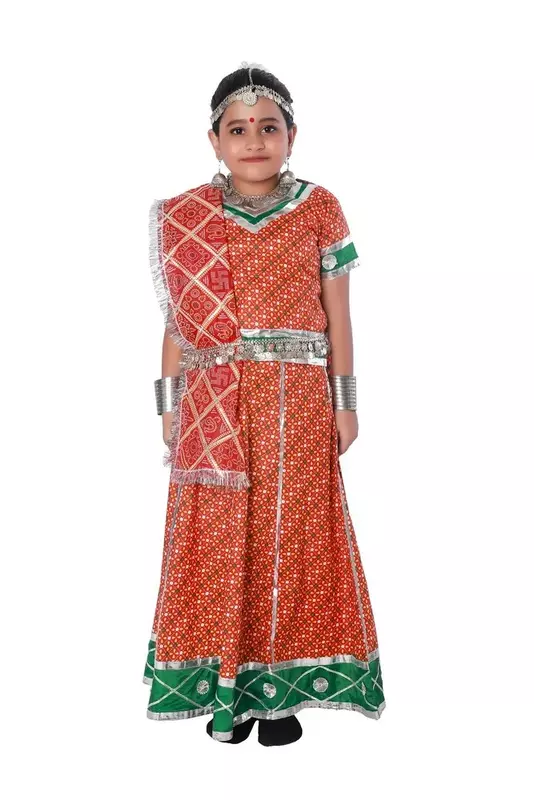
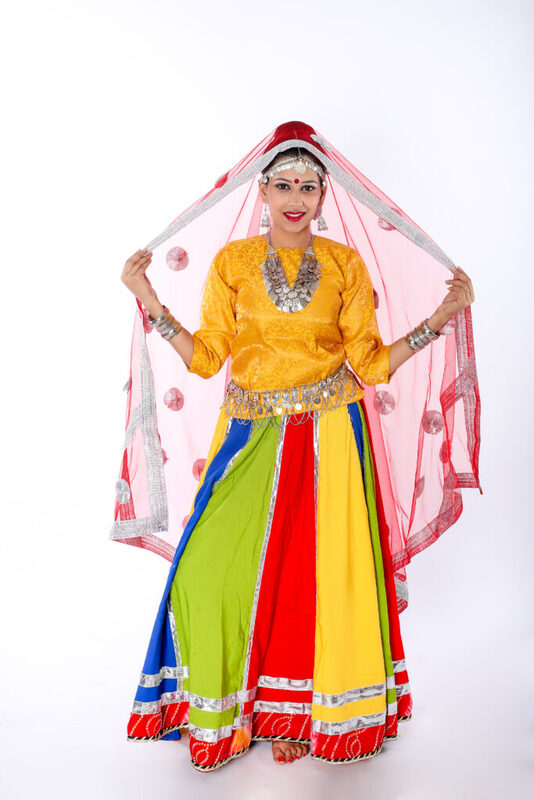
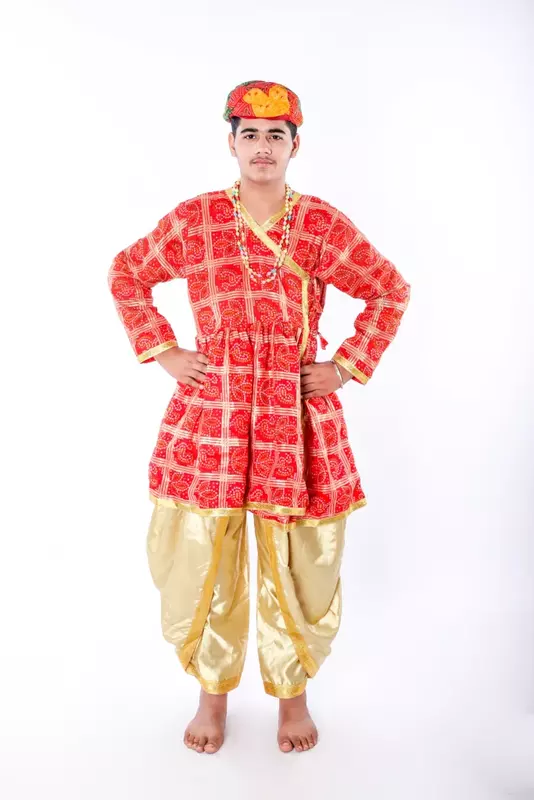
Types of Rajasthani Folk Dance and Their Costumes
The attractive dance forms in Rajasthan are well known for their colorful outfits. Every dance form in Rajasthan has a distinct dance costume that represents its culture, traditions & artistry.
1. Ghoomar: Ghoomar is a traditional Punjabi folk dance performed mainly by women.It features smooth spiraling movements along with an elaborate hand gesture.
Costume: The ghaghra and choli worn by women are brightly colored and adorned with ornate mirrors, lots of gota-patti, and traditional embroidery, as well as bangles, earrings, and anklets.
2. Kalbeliya: The Kalbeliya dancer belongs to a tribe in Rajasthan called the Kalbeliya. One of the most distinctive aspects of this dance is its fast, sinuous movements that occur at a circular distance from the dancer’s body.
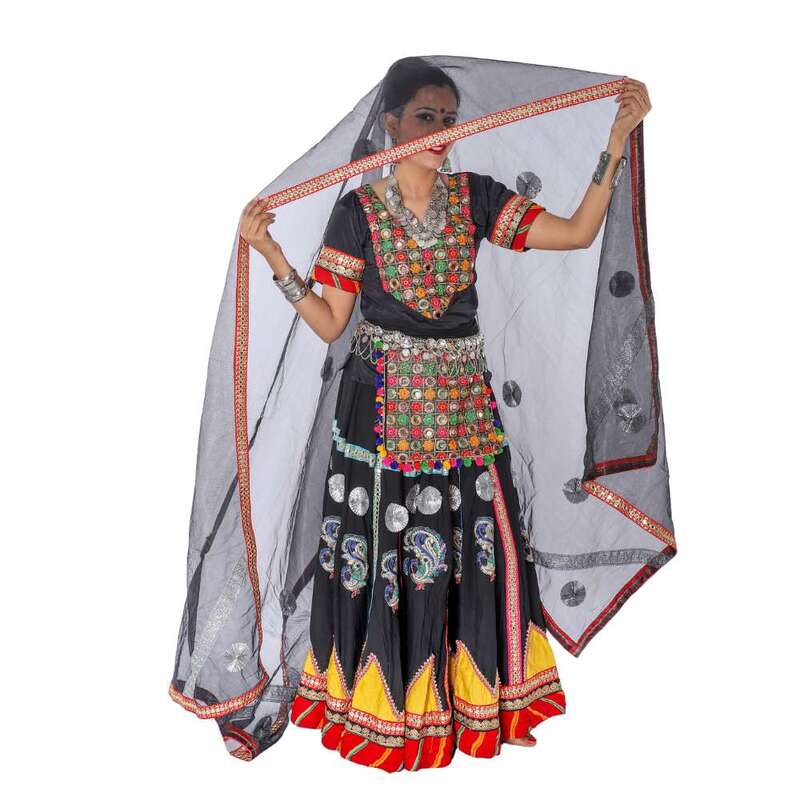
Costume: The Kalbeliya dancer generally wears a black-printed ghagra (a skirt) and a black angiya (a top) with matching veils that have mirror work embellishments and colourful borders. The dancers braid their hair, wear large quantities of jewellery, and have large silver earrings.
3. Chari Dance: Chari is a ceremonial dance where women balance brass pots with fire on their heads while dancing.
Costume: The dress includes a vibrant lehenga-choli with gota-patti work, mirror decorations, and a long odhni. Jewellery includes chokers, long necklaces, bangles, and armlets to add charm to the performance.
4. Bhavai Dance: Bhavai is a balancing dance where women perform difficult steps while balancing multiple earthen pots on their heads.
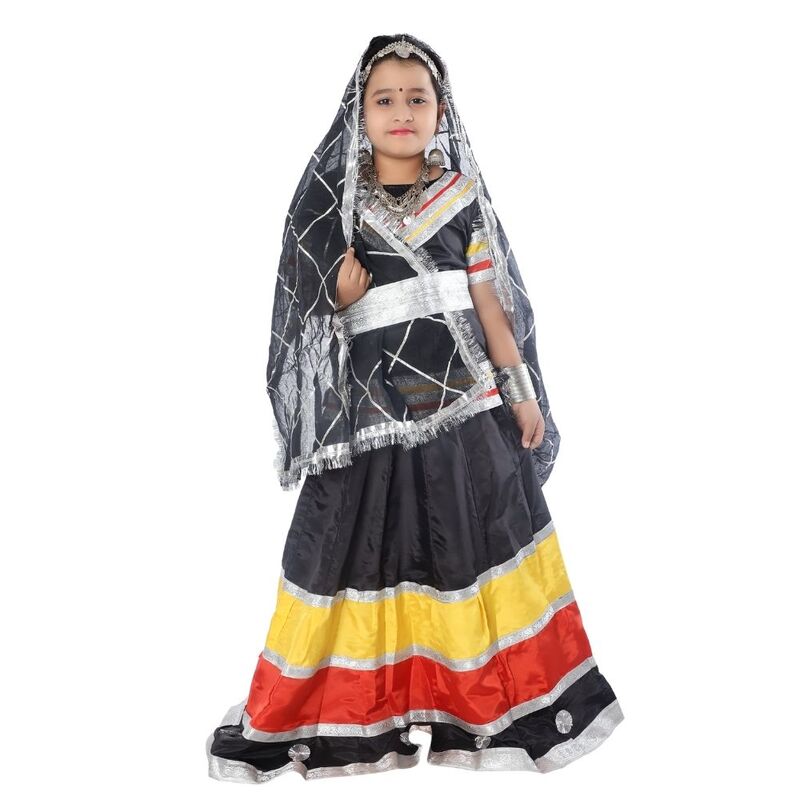
Costume: Girls wear colourful Rajasthani lehenga-choli with heavy mirror work and broad borders.The odhni is heavily embroidered and tucked neatly for balance. Traditional silver jewellery adds to the royal look.
5. Terah Taali: This dance is performed to a series of rhythms that are played with 13 small manjira (cymbals) tied to the dancer’s body while she is sitting and moving her arms.
Costume: A traditional lehenga-choli is worn along with an odhni and has additional embellishments of mirror work and colour combinations. Women dancers wear a lot of silver ornaments and anklets to help them create rhythmic movements.
6. Kathputli Dance: The Kathputli dance is performed using puppets and is typically performed by Rajasthani artists with traditional music. Occasionally young girls will perform using similar costumes.
Costume: Girls wear colourful lehengas with puppet-style prints, mirror work, and traditional jewelry to match the theme.
Key Features of Rajasthani Lehenga for Girls
The elegant and bright Colourful Rajasthani Lehenga of India reflects the vivid energy of Rajasthan’s folk dances and allows female performers to move freely on stage. Here are some Essential characteristics of the Rajasthani Lehenga for women:
1. Bright Bold Colouration
Brightly coloured Rajasthani lehengas may use vibrant shades like red, yellow, blue, pink and green to reflect the joy and celebration associated with employing a Brightly coloured Rajasthani Lehenga.
2. Shisha (Mirror) Work
Shiny mirrors sewn into the lehenga and choli shine brightly under lights on a stage, making Rajasthani lehengas ideal for displaying the energy of folk dance performances through vibrant colour and Shiny Mirror work.
3. Hand Embroiderey
Richly detailed embroidered decorations created by hand using threads, beads and/or Gota numd reye represent the local crafts of each region.
4. Flared Skirt of a Rajasthani Lehenga
Rajasthani lehengas have flared skirts, allowing dancers to twirl in place when doing Baliyan or Kalbeliya Folk Dance like so many others do.
5. Blouse/Choli
Typically the Rajasthani choli is short, fitted and decorated with trim such as embroidery and sequins to match the lehenga.
6. Gota Border Dupatta
The Rajasthani dupatta is often known as a shawl worn over the head, neck or shoulder, and has been heavily embellished with Gota patti or decorative finished edges.
7. Lighter Fabric
Cotton, soft silk and georgette are the most common materials used to create a Rajasthani lehenga; they provide comfort for long periods of dancing.
8. Traditional Jewellery & Complete Look
Jewellery that completes the Rajasthani look are jewellery pieces such as bangles, necklaces and anklets. All of which go well with the lehenga.
These features make Rajasthani lehengas the best choice for traditional Indian girls doing folk dances at school events, cultural programs, or annual functions.
Jewellery & Accessories for Rajasthani Dance Look
A dancer’s traditional Rajasthani folk dance look includes some form of jewellery or accessory. The addition of jewellery and accessories provides shimmer and motion as well as providing a traditional form of beauty to the lehenga ensemble, thereby presenting an appealing and colourful look on the stage. Here are the key elements used to complete the traditional look:
1. Borla: A Rajasthani Maang Tikka that is dome-shaped and sits at the centre of the dancer’s forehead. Borla is considered essential by Rajasthani dancers, especially in the Ghoomar dance and other traditional Rajasthani folk dances.
2. Rajasthani Nath: A large ring/hoop which has a chain attached to either the hair or ear. The Rajasthani Nath enhances the traditional ethnic look of the dancer.
3. Necklaces: Young girls wear one or more necklaces including Aad (rectangular), Raani Haar (long), and Choker Sets. They add richness to the lehenga.
4. Bangles (Kangan/Chooda): Multi-coloured/metal bead bangles which are worn on both wrists. The bangles also create soft rhythmic sounds that accompany the dance movement.
5. Earrings (Jhumka and Chandbali): The earrings are oversized and elaborate in design, able to compliment the dance attire well.
6. Kamarbandh (Lehenga Belt): The Kamarbandh is a decorative piece of clothing that usually goes over the lehenga or other traditional garments and is mainly used to hold the dupatta in place. It also adds to the elegance of the outfit.
7. Payal (Ankle Bracelet): Payal is a type of metal ankle bracelet (most commonly made of silver) that is worn on both ankles. The payals create an additional sound when the dancer is performing, adding extra beauty and excitement to the performance.
8. Hair Accessories: Hair accessories include flowers (the most popular type of flower is gajra), clips, and decorative pins. These accessories may be used to create a very neat and attractive bun/ braid.
9. Odhni/Dupatta Styling: Dupatta is also known as Odhni, which is worn on the head or shoulder in a very neat and presentable manner. It generally has embellishments of decorative mirror work, with tassels.
By using these accessories and jewellery items, girls can achieve their complete and authentic Rajasthan Folk Dance “Look”, to assist with enhancing their performance during any cultural events, such as Ghoomar performances, or even in their school’s programmes.
Rajasthani Dance Dress for Annual Day & Cultural Programs
Rajasthani dance dresses are a popular choice for school annual days and cultural programs because they are colourful, traditional, and instantly connect children with India’s folk heritage. These costumes help bring dance forms like Ghoomar, Kalbeliya, Terah Taali, and Bhavai to life on stage.
For girls, the typical outfit includes a vibrant lehenga-choli with heavy gota-patti work, mirror designs, bright borders, and a matching odhani. The swirling lehenga adds grace to movements, making performances look lively and energetic. Boys usually wear angrakha, dhoti, safa, and traditional Rajasthani accessories to complete the look. Schools love choosing Rajasthani folk costumes because:
- They look visually striking on stage
- They are comfortable and easy for kids to dance in
- They represent the cultural richness of Rajasthan
- They work well for group performances and theme-based shows
Whether for a large annual day, a state-theme program, or a traditional dance competition, Rajasthani folk dance costumes help create an authentic and memorable cultural experience.
Where to Buy or Rent Rajasthani Folk Dance Dress
Finding a suitable Rajasthani folk dance costume is now very easy to do when deciding to either rent or buy it. Here are a few tips that could help you decide what type of costume you will need when looking for one:
Reputable Retailers & Rental Locations
A great place to check out is Sanskriti Fancy Dresses. We carry a big selection of Rajasthani costumes, dresses, lehengas, and outfits designed for various occasions which can be rented or purchased. This can be useful for Board of Education parents, schools, cultural organizations, or performers.
What You Need to Consider When Shopping for Costumes
- Select a costume that has the traditional designs, the mirror work, the gota work, the embroidery work, the vibrant colours. You want to make sure the costume you select fits the dancer appropriately.
- If the performance is outside on hot days then consider selecting a costume made from either cotton or other lightweight materials.
- Select a complete outfit to include a lehenga and choli with odhani/dupatta along with matching jewellery or other accessories.
- Select a clean and properly cleaned costume if renting.
Benefits of Renting
- Would be cost-effective when the costume will be worn only once for school performances, cultural events etc…
- Could provide many more sizes and types of costumes than just the size that you would like to purchase.
- No need for storage and/or cleaning after the performance.
Benefits of Buying
- Ideal for repeated performances or frequent dancers.
- You can pick authentic, high-quality dresses to keep for years.
- Full ownership, no worry about return deadlines or rental terms.
Whether you choose to buy or rent, the key is to select a costume that fits well, looks traditional, and feels comfortable. A good Rajasthani dance dress helps performers shine on stage and celebrate the rich heritage of Rajasthan.
Frequently Asked Questions
Q. What is a Rajasthani folk dance dress?
A. A Rajasthani folk dance costume is an authentic outfit that dancers wear while performing folkloric dances such as Ghoomar, Kalbelliya, Terah Taali, and Bhavai. The traditional attire typically consists of a colourful lehenga, choli and odhani that use embroidery, mirror work and Gota-Pathi (metal ornamentation).
Q. What fabrics are used in Rajasthani dance costumes?
A. The majority of dresses are made of either cotton, georgette, silk and/or velvet, depending on the type of dance. Lightweight fabrics should be chosen to enable the dancer to move freely throughout their performance.
Q. What accessories are needed for a Rajasthani folk dance look?
A. Basic accessories include heavy silver jewellery, bangles and anklets; a Borla (forehead ornament); a large necklace called a aad or raani haar; a waist belt; and a decorative odehani that features mirror work.
Q. Are Rajasthani dance costumes the same for all folk dances?
A. Each dance form has slight changes in style. For example, Kalbeliya dancers wear black lehengas with snake-like patterns, while Ghoomar dancers wear bright, wide-flared lehengas.
Q. Can kids wear Rajasthani folk dance dresses for school events?
A. Children often wear Rajasthani Folk Dance costumes when participating in many of the school’s events such as Annual Day, Cultural Programs, Competitions, State Themed Events, etc. To ensure comfort, you should use lightweight cotton lehengas.
Q. Where can I buy or rent a Rajasthani dance dress?
A. Rajasthani folk dance dresses can be purchased or rented from Sanskriti Fancy Dresses, which are located in Jaipur, Noida, Greater Noida and Noida Extension. They stock top quality lehengas, clean rental costumes and all required accessories.
Q. Can I get a complete set with jewellery and accessories?
A. Sanskriti Fancy Dresses provide complete sets of lehenga, choli, dupatta, jewellery and props based on dance form at an extra charge for Jewellery and props.

 Start Chat